What is the best way to heal a soccer injury?
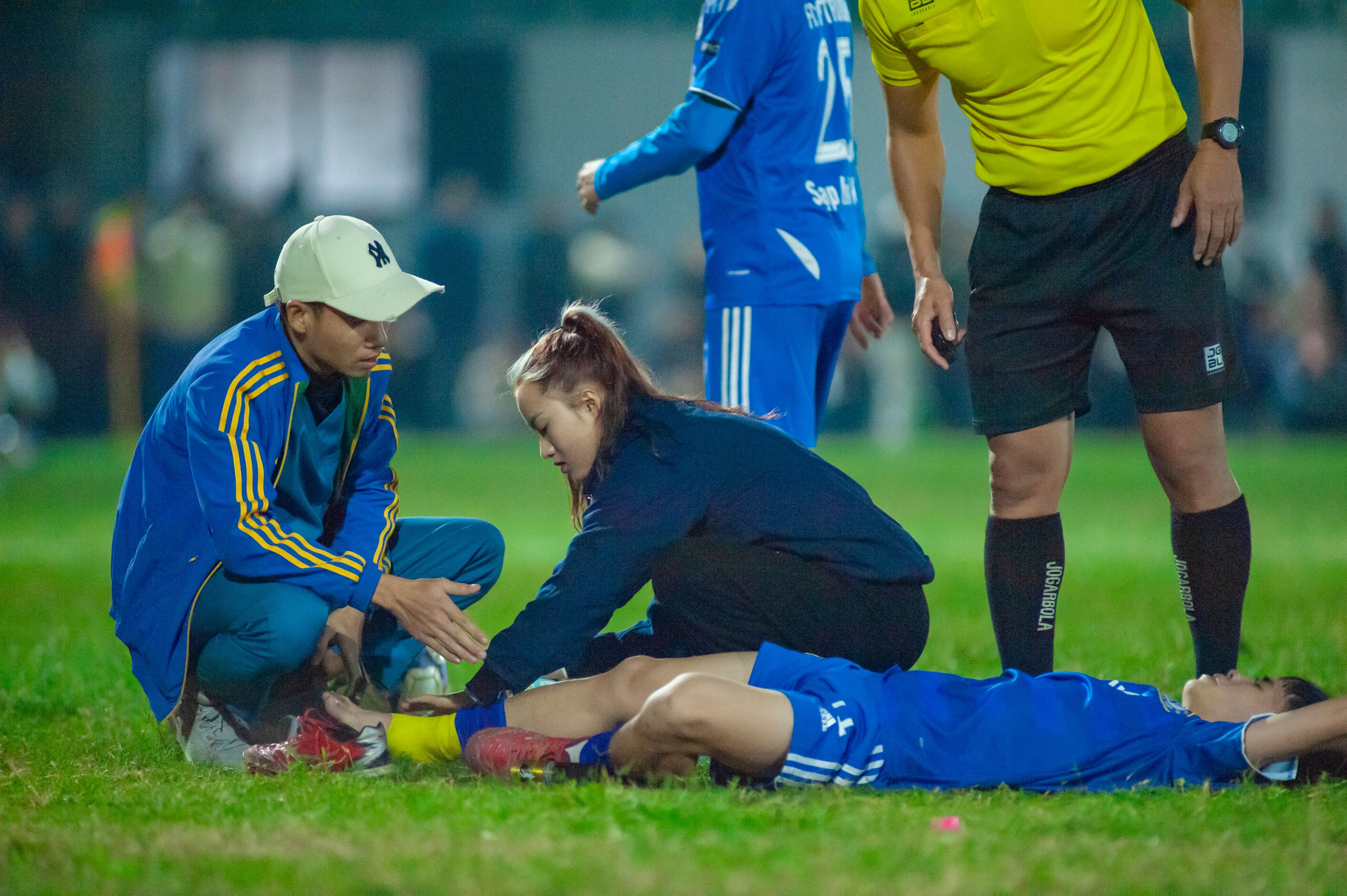
Rest should be the first priority to avoid worsening the injury. Elevate the affected area and prevent placing weight on it as much as possible. The best home remedies including icing the injury every 2 to 3 hours and compressing it with an elastic bandage. A specialized physiotherapy recovery plan is one of the most effective methods to returning to the pitch quickly and building up strength and mobility to reduce the risk of reinjury.
With the 2026 FIFA World Cup final just around the corner, the world’s attention is fixed on soccer. It’s unsurprising that it is also one of the most widely played sports on the planet: it builds cardiovascular endurance, sharpens agility and coordination, and brings people together in a way few other activities can.
For Canadian soccer fans, the tournament has been equal parts thrilling and heartbreaking. When midfielder Ismaël Koné was stretchered off the pitch at BC Place after suffering fractures to both his tibia and fibula, it was a somber reminder of how physically demanding soccer can be. Though the 24-year-old underwent a successful surgery and is expected to make a full recovery, he likely faces months of intensive rehabilitation before returning to the pitch.
Most of us will never experience an injury at that level of severity. But the forces at play, including sudden contact, high-speed pivots and explosive acceleration, are present in every game, at every level. Understanding how soccer injuries happen, how they’re treated, and how to protect yourself going forward is valuable knowledge whether you’re competing at BC Place or your local recreational league.
The Most Common Soccer Injuries
Foot and Ankle Injuries
Ankle sprains
Ankle sprains occur when the ligaments supporting your ankle are overstretched or torn. This is common in soccer, where toe flexion during kicking repeatedly loads these structures. There are two primary types: lateral ankle sprains, which affect the outer ligaments and are by far the most common, and medial ankle sprains, which involve the inner ligaments, occur far less frequently, and typically take longer to heal. Recovery time ranges from as little as 2 days for a mild Grade 1 sprain to up to 90 days for a complete Grade 3 tear.
Turf toe
Push-off movements, in which the heel is lifted as the toes drive you forward, can cause hyperextension in the ligaments of your big toe. Like ankle sprains, turf toe is graded on a 1 to 3 scale. Mild cases respond well to rest and conservative management, while more severe cases may require surgery and extended time off the pitch.
Footballer’s ankle
Excessive dorsiflexion of the ankle, the motion of pulling your toes towards your shin, results in this condition. Players with a history of ankle sprains are at higher risk. Common symptoms include pain when bearing weight and a noticeable bony lump at the front of the ankle, which worsens when the toes are flexed upward.
Knee Injuries
ACL tears
Sharp directional pivots, jump landings and sudden stops all contribute to significant strain on the anterior cruciate ligament (ACL). Players typically report hearing or feeling an audible pop, followed immediately by intense pain and rapid swelling. Contact from another player, such as a side tackle, can lead to an ACL tear; Colombian striker Radamel Falcao famously suffered a torn ACL in 2014 after being tackled by Soner Ertek. However, 70 to 84% of all ACL injuries result from non-contact movements.
MCL sprains
Unlike ACL injuries, MCL sprains are much more likely to result from a direct hit to the outside of the knee. Symptoms include swelling, pain and tenderness along the inner knee, running from the lower thigh to the upper shin. Recovery ranges from 1 to 3 weeks for Grade 1 sprains, with more severe injuries requiring up to 6 weeks. Thankfully, surgery is rarely needed unless surrounding structures are also damaged.
Meniscus tears
The meniscus consists of cartilage inside the knee, which functions as cushioning to absorb impact during twisting and rapid direction changes. A torn meniscus can limit your ability to fully bend or extend your leg, and is often accompanied by swelling and localized pain. Additionally, cartilage naturally thins with age, which means older players face a higher baseline risk, even with proper conditioning.
Muscle Strains and Overuse
Hamstring strains
Hamstrings are essential for explosive acceleration and controlled deceleration, making them particularly vulnerable in a sport like soccer. A hamstring strain typically presents as a sudden, sharp pain in the back of the thigh, with swelling and tenderness developing within hours of injury. Players with a history of hamstring strains face a significantly elevated risk of re-injury, which is why structured rehabilitation is critical before returning to play.
Groin strains
The groin muscles power nearly every major lower-body movement in soccer, such as running, jumping and absorbing impact. This workload makes them susceptible to overuse and acute strains alike. Immediately following a groin strain, players typically feel a sharp, twinging pain in the inner thigh, along with difficulty moving the hip and leg and, in some cases, muscle spasms.
Shin splints
Clinically referred to as medial tibial stress syndrome, shin splints develop when the muscles and connective tissue surrounding the tibia become inflamed from repetitive impact. In soccer, they tend to emerge when training load increases too quickly, when players have muscle imbalances such as weak calves, or when flat feet alter the biomechanics of running and kicking. The hallmark symptom is a persistent, aching soreness along the inner edge of the shin.
Treating Soccer Injuries
For most Grade 1 soccer injuries, the RICE method is the recommended first line of response:
- Rest: Avoid placing weight on the affected area and stop activity to prevent further aggravating the injury
- Ice: Wrap an ice pack or bag of frozen vegetables in a towel and apply for intervals of 15 to 20 minutes to the injured area. Repeat every 2 to 3 hours. Ensure to never place ice directly on bare skin, as this can cause frostbite.
- Compression: Use an elastic medical bandage to wrap the injured area, to help with reducing swelling and internal bleeding. Make sure that the bandage is snug but not tight enough to cut off circulation.
- Elevation: To drain excess fluid, try to keep the injured area raised above your heart. Pillows or cushions can be used to prop the injured limb up.
For sprains, consider using muscle tape to provide additional joint support during early recovery. Gentle mobility work and progressive strengthening exercises should be introduced as soon as the injury allows, both to speed up healing and reduce the risk of re-injury.
When to Seek Immediate Care
If you experience severe pain, are not able to bear weight on the injured limb or notice significant swelling or visible deformity, seek medical attention right away.
Preventing Future Injuries
The single most effective thing a soccer player can do before stepping onto the pitch is warm up properly. Dynamic stretches in particular have been proven to reduce muscle strains, sprains and overuse injuries more significantly than static stretches. Simple movements like walking lunges and high knees, where your joints and muscles undergo a full range of motion, can help to increase blood flow and properly prime your nervous system before intense physical activity.
Soccer players should equally focus on building strength in their core, glutes and hamstrings to protect their knees and ankles, the joints most vulnerable to injury. Glute bridges, hamstring curls and planks are just a few exercises that can improve lower-body stability and in turn prevent muscular imbalances and tears.
How Physiotherapy Can Help
Prevention goes far beyond what you do on game day. A structured, individualized approach to strength, mobility and movement quality is one of the most effective long-term strategies, and that’s exactly what the physiotherapy team at Hayer Health is trained to deliver.
Koné’s recovery will almost certainly involve physiotherapy, massage therapy and progressive strength work before he’s cleared to return to professional play. The same structured approach applies to injuries far less severe: at Hayer an Health, our physiotherapy team works with soccer players at every stage of recovery to create an individualized approach to strength, mobility and movement quality.
Our Vancouver physiotherapists use a range of evidence-based methods tailored to each patient’s needs, including manual therapy, dry needling, shockwave therapy and targeted exercise prescription. Whether you’re recovering from an acute soccer injury or looking to address underlying weaknesses before they become problems, our team will assess your movement, identify risk factors and build a rehabilitation or prevention plan around your specific goals and return-to-sport timeline.
Frequently Asked Questions (FAQ)
What should I do immediately after an injury?
Follow the RICE protocol: rest the injured area, apply ice wrapped in a cloth for 15 to 20 minute intervals, compress with an elastic bandage, and elevate the limb above heart level. Avoid heat, alcohol and massage in the first 48 to 72 hours, as these can increase swelling. If you suspect a fracture, cannot bear weight, or experience rapid or severe swelling, seek medical attention promptly.
Will I need surgery for a soccer injury?
Surgery is not required for the majority of soccer injuries. Most sprains, strains and even some ligament injuries respond well to conservative physiotherapy management. However, complete ACL tears, severe meniscus damage and some cases of turf toe may require surgical intervention followed by a comprehensive physiotherapy rehabilitation program. Our physiotherapist and kinesiologists are experienced in determining whether a surgical referral is appropriate as well as guiding patients through post-surgical recovery, from early-stage tissue healing to full return to sport.
How long does it take to recover from a soccer injury?
Recovery time varies widely based on the type and severity of the injury. Mild Grade 1 sprains and muscle strains may resolve in 1 to 2 weeks with proper care, while Grade 2 injuries often take 3 to 6 weeks. Grade 3 injuries, including complete ligament tears or severe meniscus damage, can require several months of rehabilitation, and in some cases, surgery. The speed of your recovery also depends on how quickly you begin appropriate treatment and whether you follow through with a structured rehabilitation program.