What common conditions trigger sciatic nerve discomfort?
Sciatic nerve discomfort is usually caused by compression or irritation of a nerve root in the lower spine. The most common trigger is a herniated disc, followed by spinal stenosis, degenerative disc changes, and muscular conditions such as piriformis syndrome. Because treatment depends on the structure involved, a proper assessment is essential. At Hayer Health in Vancouver, physiotherapists focus on identifying the root cause to guide targeted rehabilitation.
If you have ever felt a sharp pain traveling from your lower back down into your leg, you may have experienced sciatica. This type of pain can come on suddenly and become disruptive to daily life, making activities like sitting, driving, or sleeping uncomfortable.
Sciatica is common, and in most cases, highly treatable. With targeted physiotherapy, many people experience significant relief and long-term improvement without requiring surgery. At Hayer Health in Vancouver, we focus on identifying the root cause of sciatic pain and building a personalized treatment plan to restore movement and prevent recurrence.
What is Sciatica?
Sciatica refers to pain that occurs along the sciatic nerve, the largest nerve in the body. The sciatic nerve begins in the lower spine, passes through the hips and buttocks, and extends down each leg.
It is important to understand that sciatica is not a diagnosis on its own. It is a symptom of an underlying issue affecting the nerve. Identifying the exact source of irritation is essential in choosing the most effective treatment approach.
Sciatica often occurs when a nerve root in the lower spine becomes irritated or compressed. The most common causes include a herniated disc or bony overgrowth in the spine, sometimes called bone spurs.
What Causes Sciatica?
Understanding the cause of sciatica is key to proper treatment. Physiotherapy is most effective when it targets the specific structure contributing to nerve irritation.
Some of the most common causes include:
Herniated Disc
Between each vertebra are discs that act as cushions. If a disc pushes through a tear in its outer layer, it can compress nearby nerve roots that contribute to the sciatic nerve.
Poor Posture and Prolonged Sitting
Long hours of sitting, especially with poor posture, can increase pressure on the lower spine. Over time, this may contribute to disc-related issues and nerve irritation.
Trauma or Injury
Car accidents, sports injuries, or falls can create structural stress in the spine, potentially leading to nerve compression.
Spinal Stenosis
Narrowing of the spinal canal can place pressure on nerve roots, particularly in older adults.
At Hayer Health, we perform a thorough assessment to help determine which of these causes might be responsible for your symptoms.
Common Symptoms of Sciatica
Sciatica symptoms can vary from person to person. For some, the pain is mild, while others report sharp, intense pain, sometimes even accompanied by numbness or tingling.
Common symptoms include:
- Pain radiating from the lower back into the buttock and down one leg
- Burning or electric shock like sensations
- Numbness or tingling in the leg or foot
- Muscle weakness in the affected leg
- Pain that worsens with sitting
- Difficulty standing up after prolonged sitting
Sciatica usually affects only one side of the body. If you are experiencing severe symptoms like extreme weakness or loss of bladder control, you should seek immediate medical attention. For most cases, physiotherapy is the first and most effective step.
How Physiotherapy Can Help With Sciatica
Physiotherapy helps address the underlying issue causing nerve irritation. Here are some of the most commonly used therapies:
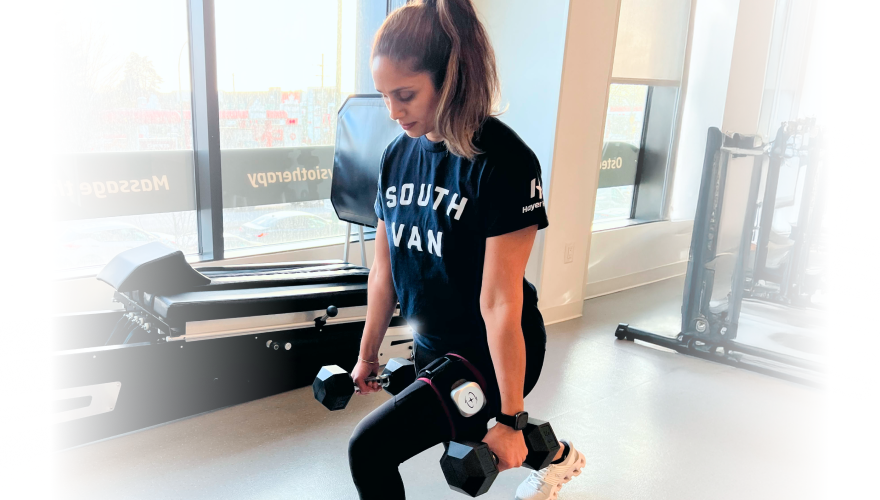
Exercise Therapy
Exercise can help reduce nerve compression, improve spinal mobility, strengthen core and hip muscles and improve posture.
For example, if your sciatica is caused by a disc related issue, certain movements can help move the pain out of your leg and back to your spine, which is a positive sign.
If tightness is contributing to symptoms, stretching and strengthening exercises targeting the gluteal muscles can release pressure on the nerve. Your physiotherapist can guide you through a program designed for short term and long term relief.
Manual Therapy
Hands-on treatment can be effective in reducing pain. This may include soft tissue release to reduce muscle tension, myofascial release techniques, trigger point therapy, or joint mobilizations. These techniques help decrease pressure on the nerve.
IMS and Dry Needling
Intramuscular stimulation and dry needling can be used to target tight muscles contributing to sciatic pain. Both involve inserting fine needles directly into a trigger point to help release tension. By releasing this muscle tension and improving circulation, this technique helps reduce nerve irritation.
Core Stabilization Training
Weak core muscles can increase the strain placed on your lower back. Targeted core strengthening improves spinal support and can reduce stress on your discs and nerves. This is particularly important to avoid recurring pain.
When Should You See a Physiotherapist?
You should consider booking an appointment if your pain has lasted more than a few days, interfering with your daily activities, is accompanied by numbness, or if your symptoms keep returning.
Ignoring sciatic symptoms can lead to compensatory movement patterns and additional strain elsewhere in the body.
Early intervention can speed recovery and reduce the risk of chronic pain. If you are experiencing sciatic pain in Vancouver, the physiotherapy team at Hayer Health can help guide your recovery with a personalized plan.
Book your appointment with us today!
Frequently Asked Questions (FAQ)
What is the most common cause of sciatica?
The most common cause we see at Hayer Health is a herniated disc, causing irritation to a nerve root in the lower spine. However, muscle tightness is also another common cause.
Can Sciatica go away on its own?
Mild cases may improve over time, but without addressing the underlying cause, symptoms often return. Physiotherapy helps speed up recovery and prevent recurrence.
What exercises should I avoid with Sciatica?
High impact activities, heavy lifting with poor form, and movements that significantly increase leg pain should be avoided until assessed by a professional.
How long does sciatic pain usually last?
Recovery time varies depending on the cause and severity. Many patients at Hayer Health notice improvement within a few weeks of starting physiotherapy while chronic cases may take several months.
Is heat or ice better for Sciatica?
Ice can help reduce inflammation during an acute flare up. Heat may help relax tight muscles in more chronic stages. A physiotherapist can advise you on what is appropriate for your condition.
Can massage help Sciatica?
Massage can relieve muscle tension, especially in the glutes and lower back, which may reduce nerve irritation. However, it works best when combined with corrective exercises.
How many physiotherapy sessions are typically needed for Sciatica?
This depends on the severity and duration of symptoms. Some patients improve within 4 to 6 sessions, while more chronic cases may require a longer rehabilitation plan. Our team at Hayer Health can suggest a personalized plan based on your case.