By: Mandeep Hayer, Physiotherapist
Lower back pain is one of the most common reasons people seek physiotherapy. It can show up suddenly after lifting something heavy, creep slowly from long hours at a desk, or linger for months without a clear cause. For some, it is a mild annoyance. For others, it interferes with work, sleep, exercise, and overall quality of life.
At Hayer Health, lower back pain is one of the most common concerns we treat. The good news is that most cases respond extremely well to physiotherapy when the underlying cause is properly identified and treated. This post breaks down the most common causes of lower back pain, explains how physiotherapy addresses the root issue rather than just the symptoms, outlines practical strategies to manage pain at home, and helps you recognize when it’s time to seek professional care.
Understanding Lower Back Pain
The lower back is designed to support the weight of your upper body while allowing movement such as bending, twisting, and lifting. Because it is such a central part of everyday movement, it is exposed to significant stress.
Lower back pain rarely has a singular cause. Instead, it often involves a combination of muscles, joints, discs, ligaments, and the nervous system. This complexity is exactly why a thorough assessment is so important.
Common Causes of Lower Back Pain
Muscle and Ligament Strain
This is one of the most common causes of acute lower back pain. It often occurs after sudden movements, lifting with poor form, or doing more physical activity than the body is prepared for. Muscles may feel tight, sore, or spasm, and movement can be painful but usually improves with time and appropriate treatment.
Poor Posture and Prolonged Sitting
Extended periods of sitting, especially with poor posture, place sustained load on the spine. Over time, this can lead to muscle imbalances, joint stiffness, and increased sensitivity in the lower back. Many people experience pain that worsens throughout the workday and improves with movement.
Disc-Related Issues
The discs between each vertebra act as shock absorbers. When irritated or injured, they can cause localized back pain or refer pain into the hips or legs. Disc-related pain does not always mean a serious injury, but it does require proper assessment to ensure safe and effective treatment.
Joint Stiffness and Degenerative Changes
As we age, normal wear and tear can affect the joints of the spine over time. Reduced joint mobility can alter movement patterns and increase strain on surrounding tissues. Degenerative changes do not automatically cause pain, but when movement becomes restricted, discomfort often follows.
Stress and Tension
The nervous system plays a large role in pain. High stress levels, poor sleep, and mental fatigue can increase muscle tension and heighten pain sensitivity. In these cases, pain may persist even when tissue healing has occurred.
How Physiotherapy Addresses the Root Cause
Physiotherapy is not just about relieving pain in the short term. The goal is to understand why the pain developed and create a plan that restores movement, strength, and confidence.
Comprehensive Assessment
At Hayer Health, physiotherapy begins with a detailed assessment. This includes understanding your symptoms, daily activities, work demands, injury history, and movement patterns. Your physiotherapist will assess posture, joint mobility, muscle strength, flexibility, and how your body moves during tasks.
This step is important because two people with similar symptoms may require very different treatment plans.
Manual Therapy
Hands-on treatment such as joint mobilization and soft tissue techniques can help reduce stiffness, improve mobility, and calm irritated tissue. Manual therapy often helps people move more comfortably so they can begin active rehabilitation sooner.
Intramuscular Stimulation (IMS)
IMS, sometimes referred to as dry needling, is used to target tight or overactive muscles that contribute to pain and movement restriction. By addressing deep muscle tension, IMS can help reduce pain and restore normal muscle function, especially in cases of chronic or recurring lower back pain.
Exercise Prescription
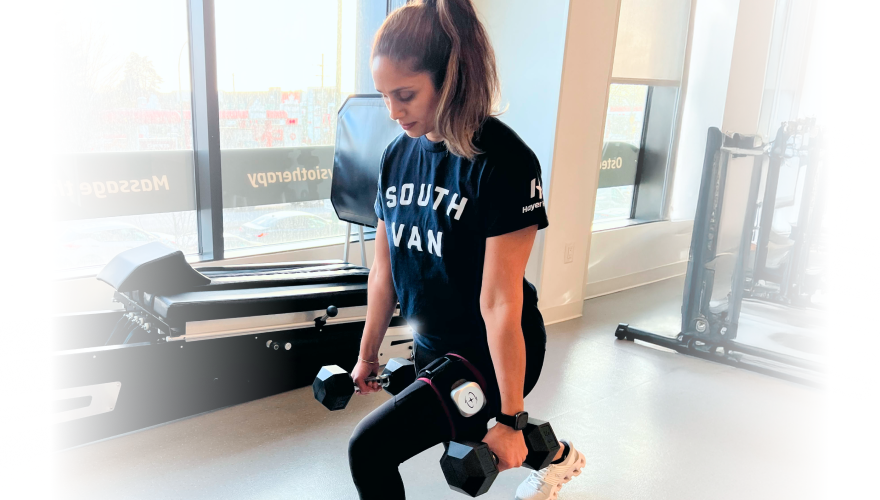
Exercise is very effective in managing lower back pain. Our physiotherapists at Hayer Health will design a personalized program that fits your needs, focusing on mobility, core stability, strength, and coordination. These exercises are progressive and practical, working to help you return to your daily activities, work, and sport.
Education and Coaching
Understanding how your body moves and how to modify activities can be as important as hands-on treatment. Our physiotherapists can provide guidance on posture, lifting mechanics, pacing, and movement strategies that reduce strain on the lower back.
Tips for Managing Lower Back Pain
While professional care is important, there are several strategies you can use to support recovery and manage pain.
Keep Moving
Complete rest is rarely helpful for lower back pain. Gentle movement promotes circulation, reduces stiffness, and helps the nervous system stay calm. Walking, light stretches, and changing positions regularly can make a huge difference.
Improve Your Work Setup
If you sit for long periods of time, ensure your chair supports your lower back and the screen is at eye level. Take breaks every 30-60 minutes to stand, walk, or stretch.
Strength Training
Core and hip strength play a major role in supporting the lower back and reducing strain during daily movement. Avoid jumping straight into intense workouts too quickly.
Manage Stress and Sleep
Prioritizing sleep, managing workload, and incorporating relaxation strategies can reduce pain sensitivity and support healing.
When to Seek Professional Help
Lower back pain often improves within a few days or weeks, but there are times when professional care may be required.
You should consider seeing a physiotherapist if any of the following apply:
- Pain lasts longer than 3-4 days
- Pain is recurring or worsening
- Movement feels restricted or unstable
- Pain interferes with work, exercise, or sleep
- You experience pain that radiates down the leg
- You feel unsure about how to safely stay active
Early assessment can prevent pain from becoming chronic, reduce the duration, and ensure you are able to return to normal activity more quickly.
Conclusion
At Hayer Health, physiotherapy for lower back pain is individualized and focused on long-term outcomes. Rather than relying on passive treatments, the approach emphasizes active recovery and ensuring you stay informed. The goal is not just short-term relief, but to identify the root cause of your pain and address it so the issue is less likely to return.