How does physiotherapy help with knee pain?
Physiotherapy helps knee pain by identifying which structures are overloaded and correcting movement, strength, and load issues that stress the joint. Treatment typically focuses on improving joint mobility, strengthening the hips and thighs, and retraining movement patterns so the knee is better supported during daily activity and exercise. At Hayer Health, this approach is tailored to how your knee moves in real life.
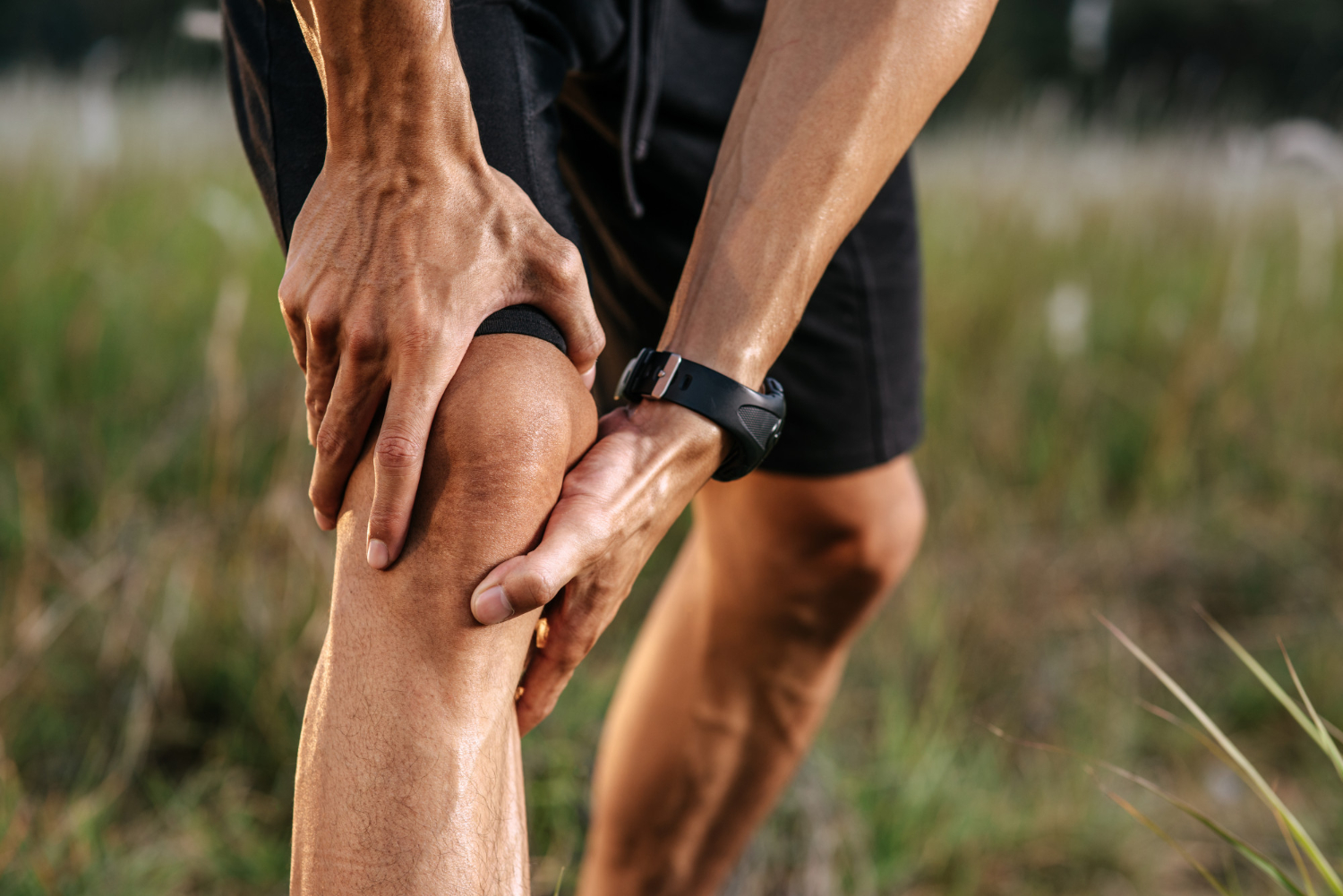
Knee pain is one of the most common concerns we see at Hayer Health. When and where in your knee you feel pain usually tells an important story. Pain when going down the stairs is different from pain when walking. Pain on the inside of the knee is different from that above the kneecap.
Instead of treating these as totally separate problems, physiotherapy looks at the pattern of your pain. This allows treatment to target the cause, rather than just the sore area.
Why Location and Activity Matter
The knee does not work alone; it works alongside the hips and ankles to control alignment and how weight is distributed through your leg. If one part of that system is not doing its job well, stress builds up in specific areas of the knee. That is why two people with “knee pain” can have completely different causes and need different treatment plans.
Common Knee Pain Patterns and What They Suggest
Pain on the Inside of the Knee
Pain along the inner side of the knee often relates to how weight is distributed through the joint. It may involve irritation of supporting ligaments, strain from poor movement patterns, or increased stress from weakness at the hip or thigh. This type of pain is common with walking long distances, standing for extended periods, or after changes in activity levels.
Pain at the Back of the Knee
Pain felt in the back of the knee can be linked to joint stiffness, muscular tension, or difficulty controlling the knee during transitions like standing up, squatting, or walking downhill. It can also be a result of a ligament injury, perhaps from a direct hit to your knee, usually while playing contact sports.
Pain Above or Around the Kneecap
Pain along the front of the knee, especially around the kneecap, is often triggered by activities like squatting or sitting for long periods. It can also be linked to “runner’s knee,” which develops when the knee is suddenly exposed to more stress than it is used to. In some cases, the kneecap may not be moving smoothly, known as patellar maltracking.
Knee Pain When Squatting or Going Down Stairs
These movements place higher demand on the knee. Pain here often means the knee is doing more work than it should because coordination or strength is lacking elsewhere in the leg.
How Physiotherapy Helps
Physiotherapy focuses on how your knee behaves during several movements, not just how it might feel when you touch it.
Movement Assessment
Your physiotherapist will observe how you walk, squat, etc. These movements will help them understand whether your knee is being overworked and where that stress might be coming from.
Hands-On Treatment
Manual techniques can help reduce stiffness and calm irritated tissues in the knee and surrounding areas. This can make it easier to move without as much discomfort.
Strength and Control
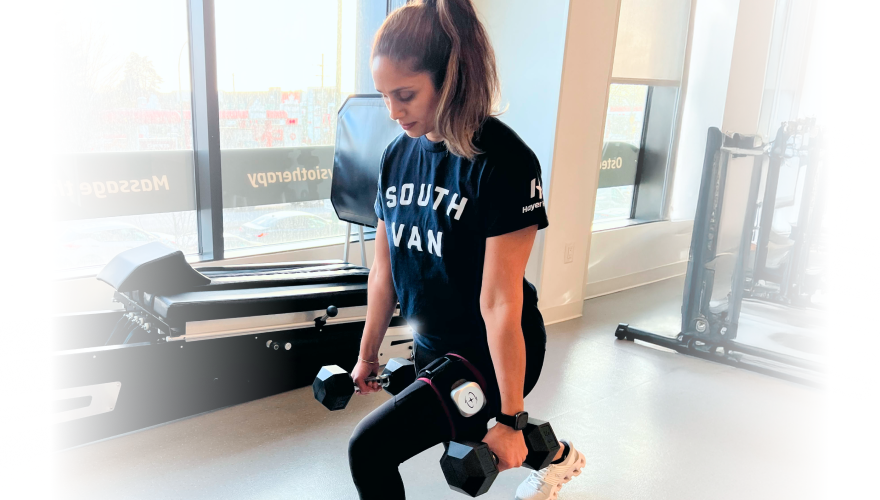
Weak hips and thighs are a common contributing factor to knee pain. Strengthening these areas helps take pressure off the knee during everyday activity.
Return to Activity
Rather than avoiding movement altogether, physiotherapy can help you return to it safely. Activity is increased step by step so the knee can adapt instead of flaring up. Our physiotherapists will recommend a plan that is best suited for your situation.
What You can Do in the Meantime
Keeping the knee moving with gentle activity helps prevent stiffness and supports joint health, while long periods of rest often make symptoms worse. Building strength in the hips and thighs provides better support for the knee, but this should be done gradually with simple exercises. Sudden increases in walking, running, or strength workout are a common trigger for knee pain, so easing back into activity is safer than rushing. Pain does not always mean that there is lasting damage, but it is a sign that the knees are being asked to do more than they can handle.
When to See a Physiotherapist
It may be time to book an appointment if your knee pain is recurring, your activity is limited, or you feel unsteady or unsure how to move. Early treatment can shorten recovery time and reduce the chances of a longer lasting problem.
Frequently Asked Questions (FAQ)
Can physiotherapy help knee pain without surgery?
Yes. At Hayer Health, most knee pain is treated with exercise-based rehab, movement retraining, and hands-on care.
Do I need imaging before seeing a physiotherapist for knee pain?
Usually no. At Hayer Health, we will first conduct a physical assessment to identify movement and strength issues that drive knee pain. Imaging is only recommended if there are any red flags or symptoms that suggest something more serious.
How long does physiotherapy take to work for knee pain?
It depends on how long the pain has been present and what is causing it. Some of our clients at Hayer Health feel improvement within a few sessions, while others need a longer program to rebuild strength.
Why does my knee hurt when going down the stairs?
Stairs increase the weight felt by the knee joint. At Hayer Health, this is commonly addressed by improving strength and control in the hips and thighs so the knee is not taking all the force.
Is it better to use ice or heat for knee pain?
It depends on your symptoms. At Hayer Health, ice is often used for irritation or swelling, while heat may help with stiffness and tight muscles. Your physiotherapist can guide you on which is more appropriate.
Conclusion
Knee pain is not just about where you are feeling pain. It is about how your body manages movement and weight. By understanding the pattern of your pain and addressing the root cause, physiotherapy can help you move with more confidence. At Hayer Health, care is tailored to how your knee functions during everyday activities. The aim is to reduce pain, rebuild strength, and help you get back to the regular routine without worrying about flare-ups.