By: Arbind Bhangu, Registered massage therapist
Many of our clients come in asking what they can do to feel less puffy, recover faster, and maintain their health through long workdays, stress, or seasonal changes. One of the most overlooked systems in the body plays a central role – the lymphatic system.
Manual Lymphatic Drainage is a gentle, specialized technique that helps stimulate the movement of lymph fluid. This supports your body’s natural detox processes, reduces swelling, and promotes a sense of calmness.
Understanding the Lymphatic System
Most people are familiar with the circulatory system, but the lymphatic system plays an equally important role in maintaining balance throughout the body. It is responsible for absorbing excess fluid, clearing metabolic waste, and supporting immune function. When this network slows down, whether due to inactivity, injury, surgery, or illness, swelling and discomfort often follow.
Here are some ways the lymphatic system influences recovery:
Fluid Regulation
When tissues are injured, inflamed, or recovering after surgery, they tend to retain more fluid. If the lymphatic vessels cannot keep up, swelling becomes painful, restricts movement, and slows healing. Supporting lymph flow helps restore mobility and reduces pressure on surrounding structures.
Immune Support
Lymph nodes filter out bacteria, viruses, and other unwanted material. In patients with frequent infections or persistent inflammation, encouraging lymphatic circulation can go hand in hand with other massage interventions aimed at restoring balance.
Tissue Healing
Cells rely on a constant exchange of nutrients and waste products. When the lymphatic system is congested, this exchange becomes inefficient. Improving lymph flow can accelerate healing by creating an environment where tissue repair can happen more effectively
Nervous System Regulation
This gentle nature of MLD helps shift the body towards a rest-and-digest state. For people dealing with stress-related muscle tension or chronic pain, this calming effect can be an important part of recovery. Because the lymphatic system does not have its own pump, it depends heavily on muscular movement, respiration, and external stimulation.
What Manual Lymphatic Drainage Does
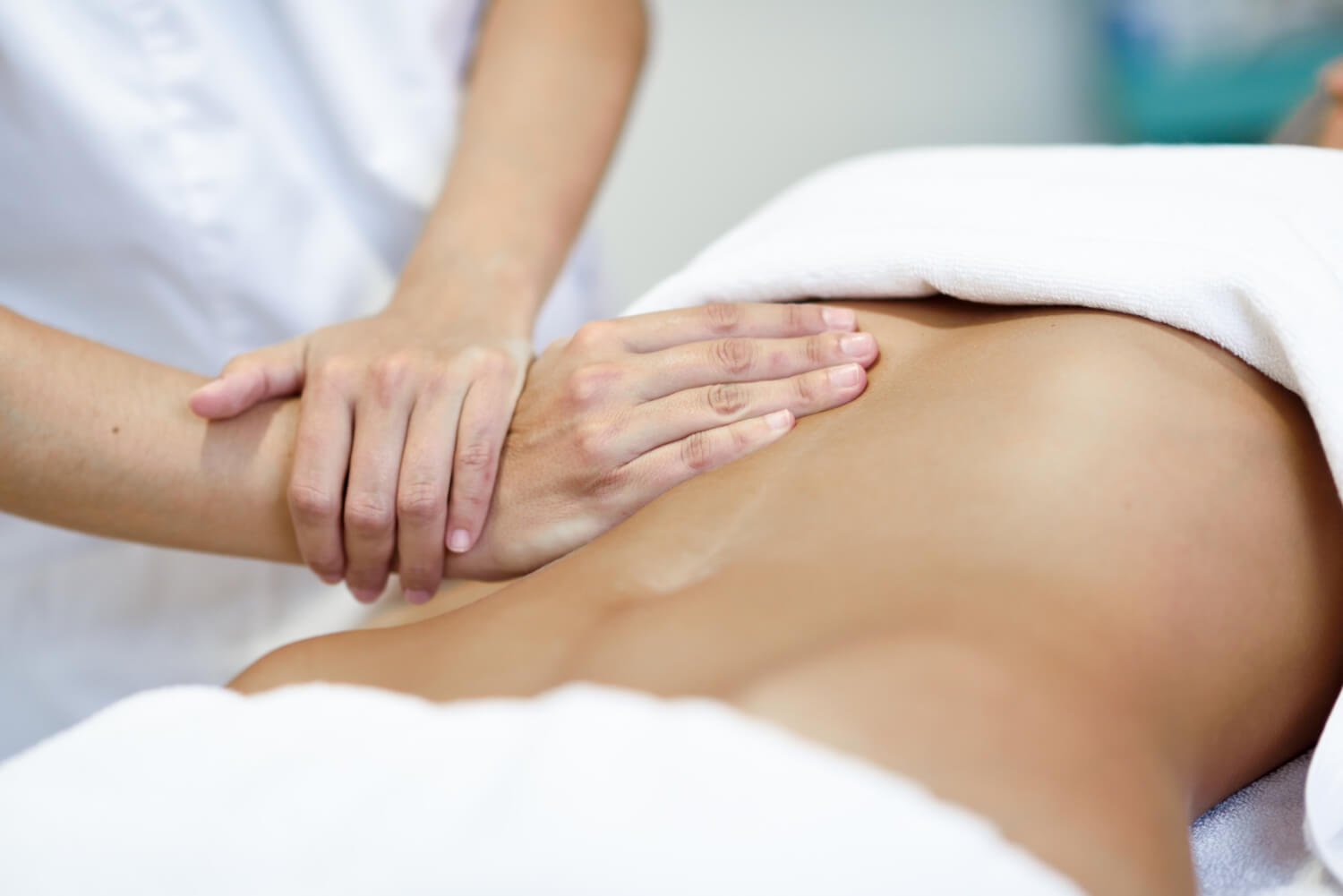
Manual Lymphatic Drainage uses slow, structured, and extremely light hand movements that guide lymph fluid toward pathways where it can be efficiently processed. The goal is not to press too deeply, but just to stimulate the skin and underlying lymph vessels enough to encourage natural fluid movement.
Many clients notice a sense of lightness and relaxation after treatment, not because the technique works deep in the muscles, but because it helps the body regulate processes that are often overlooked.
When MLD Can Be Helpful
While MLD can benefit many people, certain situations tend to see the strongest improvements:
- Post-Op or Post-Injury Recovery: Procedures such as ACL repair joint replacements, and cosmetic surgeries often result in significant swelling. Excess fluid around a healing area can limit range of motion, increase pain, and delay healing progress. MLD helps reduce swelling so patients can move safely and regain function sooner.
- Acute Injuries and Inflammation: Sprains, strains, and soft-tissue injuries create localized inflammation that can last even after the initial pain subsides. MLD supports the body’s natural clear process, helping speed up recovery and reduce discomfort.
- Lymphedema Management: People with compromised lymphatic systems, whether from surgery or other chronic conditions, may experience persistent swelling. In these cases, MLD becomes an important part of managing symptoms and improving quality of life.
- Chronic Sinus Congestion: For clients dealing with sinus tension, headaches, or persistent congestion, gentle lymphatic work in the head and neck region can improve drainage.
- Facial Puffiness and Fluid Retention: Some clients experience visible swelling from hormonal changes, inflammation, or prolonged sitting. MLD can help restore balance.
Your therapist at Hayer Health will review your history and discuss whether MLD is an appropriate solution, especially if you have medical conditions that affect circulation or immunity
How You can Support your Lymphatic System at Home
MLD is most effective when paired with simple lifestyle habits that promote consistent lymphatic flow. At Hayer Health, we recommend:
- Daily walking or low-impact movement
- Deep breathing exercises that activate the diaphragm
- Sufficient water intake
- Gentle and regular stretching
- Limiting prolonged sitting
- Reducing highly processed foods
- Managing stress through rest and relaxation
These strategies complement what happens in the clinic and help maintain recovery between sessions
When MLD May Not Be Appropriate
Although MLD is gentle, there are situations where it must be used cautiously or avoided, including:
- Active infection
- Acute blood clots
- Certain cardiovascular conditions
Your register massage therapist will make sure the treatment is safe and appropriate for your recovery plan!
Conclusion
At Hayer Health, our Register Massage Therapists incorporate Manual Lymphatic Drainage when patients need more than strengthening and mobility work to progress. For those recovering from surgery, managing swelling, dealing with persistent inflammation, or experiencing chronic fatigue, MLD helps create the internal conditions necessary for the body to heal properly.
A treatment plan that includes MLD often leads to faster recovery, better mobility, and a sense of balance.
If you’re unsure whether Manual Lymphatic Drainage may be a fit for you, our team at Hayer Health would be happy to assess your needs and determine whether it goes with your treatment plan.
Frequently Asked Questions (FAQ)
How is MLD different from regular massage?
Traditional massage works on muscle and connective tissue. MLD targets the lymphatic vessels just beneath the skin to improve fluid movement and reduce swelling. It feels comparatively gentle.
How long does it take to see results?
Some patients notice changes after one session, especially for facial swelling or sinus congestion. For post-surgical or chronic swelling, several sessions may be recommended on your massage therapy treatment plan.
What should I do after a session?
Staying hydrated, moving gently, and avoiding intense exercise immediately afterward can help support lymphatic flow and improve results.